A member of the JFSP Fire Science Exchange Network. Some materials may not be available at this time as we update our website and resources to meet accessibility standards.
Prescribed fire, also known as prescribed burning or controlled burning, is an important land management tool in Georgia used to keep many ecosystems healthy. This fact sheet offers answers to commonly asked questions about prescribed fire. While written from a Georgia perspective, this information applies to many southern states.
What is Prescribed Fire?
Prescribed fire, also known as prescribed burning or controlled burning, is an important land management tool in Georgia used to keep many ecosystems healthy. This fact sheet offers answers to commonly asked questions about prescribed fire. While written from a Georgia perspective, this information applies to many southern states.
Prescribed fire is a safe way to mimic historic fire patterns that are needed to maintain healthy ecosystems and reduce the risk of wildfires that could threaten human communities. A prescribed fire involves setting a fire in a defined area under certain weather and fuel conditions to achieve a specific outcome or management goal. It is the most effective tool we have in Georgia for managing fire-dependent native habitats and it benefits both game and nongame species. It is also crucial for a number of threatened and endangered species.
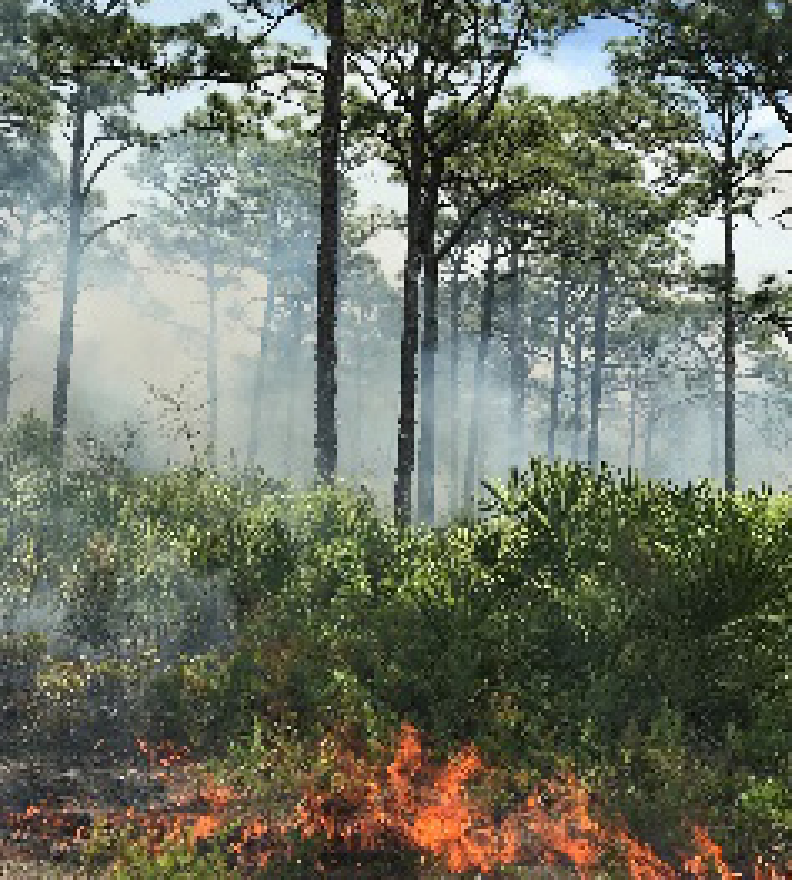
Figure 1. A prescribed fire in the growing season in a longleaf pine stand. Photo by Shan Cammack.
Did you know? Studies show that the long-term use of prescribed fire can reduce tick populations along with tick-carried diseases that affect people.
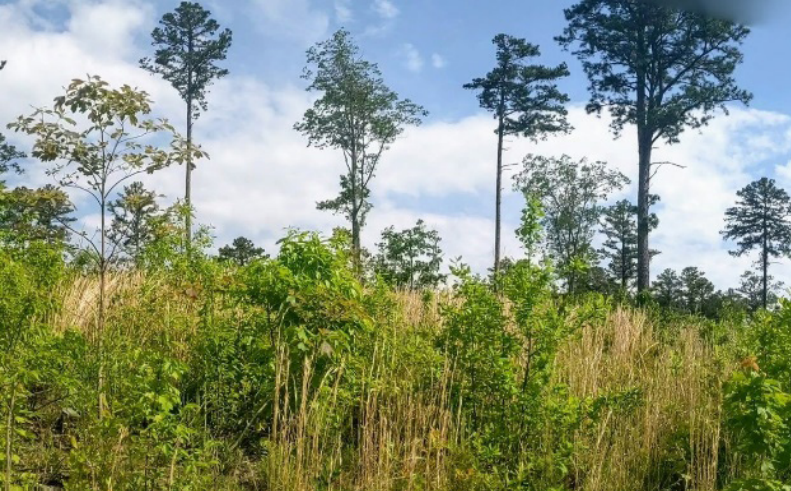
Figure 2: A fire-managed shortleaf pine and oak forest. Photo by Adam Warwick.
Why do we use Prescribed Fire?
Prescribed fire is used for a number of reasons, including ecosystem restoration and maintenance, reducing wildfire risk, site preparation for tree planting, and enhancing the aesthetics of and access to natural areas.
Fire is a natural process in Georgia that has shaped the evolution of habitats and species for centuries. Before European colonization and the resulting changes in land use, lightning strikes ignited fires regularly and Native Americans used fire extensively as a management tool.
Because of the historic presence of fire on the landscape, many habitats across the state need fire to thrive, from longleaf pine savannas and pitcher plant bogs in the coastal plain, to grassy oak woodlands in the Piedmont, to high-elevation balds in the mountains. Many species that call these habitats home cannot endure without fire. Using prescribed fire not only creates and maintains species habitat, it can help prepare sites for tree planting, control invasive species, improve appearance and access to a natural area, and increase hunting opportunities.
Using prescribed fire also protects human health and safety. Prescribed fire reduces the risk of large, destructive wildfires by periodically consuming fuels (such as grasses, downed woody debris, and shrubs). If a wildfire burns in an area regularly treated with prescribed fire, it will have less fuel to burn, produce less smoke, and may be easier to control.
Who Uses Prescribed Fire?
Prescribed fire is used by a wide variety of people including professionals employed by agencies and organizations, contractors who burn as part of their business, and private landowners. All of these groups gain experience or receive training and follow laws to ensure prescribed fire is safe and effective.
Prescribed fire in Georgia has a long history going back thousands of years. Native Americans, such as the Cherokee and Muscogee (Creek), have used fire for many purposes, including managing vegetation, clearing land for agriculture and driving prey.
Today, prescribed fire is used by many different people. Land managers from private, state, tribal and federal agencies and organizations use this tool to burn on lands that they own as well as to help burn on private lands. Private landowners also use prescribed fire, both on their own property and to help their friends and neighbors. Private contractors and business owners may conduct prescribed fires for payment as a means of income. Training and technical assistance is available to help those using fire understand the dynamics of burning so they can do so safely. While these groups may wear different clothes and use different tools, they are all trained to use prescribed fire safely and effectively.
Figure 3. The rare hairy rattleweed needs fire to survive. Photo by Shan Cammack.
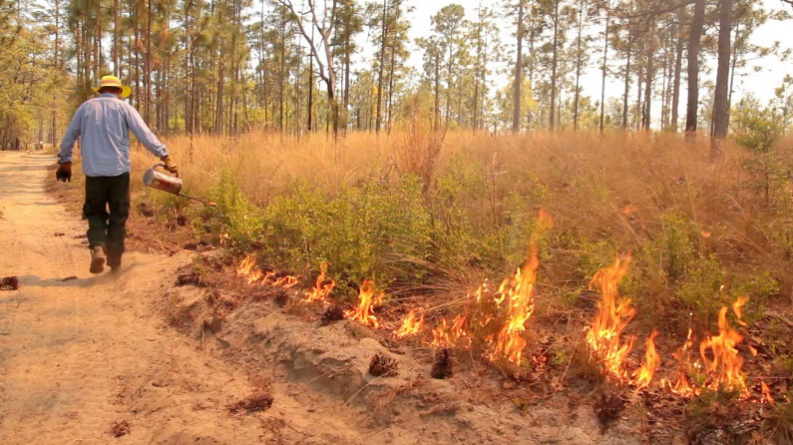
Figure 4. Private landowners burn to improve habitat and reduce wildfire risk. Photo by Abel Klainbaum.
Did you know? Elk and wood bison (sometimes called buffalo) used to roam Georgia! Prior to European colonialism, frequent fires created and maintained a large prairie system in the piedmont region as well as open habitat in the coastal region that supported herds of grazing animals, including elk, and wood bison. Elk were found in Georgia into the 1760s, the last buffalo was shot in the early 1800s.
What Happens to Animals during a Prescribed Fire?
Most animals have evolved adaptations to escape prescribed fires. Research shows that while a few individual animals may be unable to escape a prescribed fire, the habitat created is overall a benefit to wildlife populations.
Animals have evolved with fire in Georgia. Because of this, most are able to escape prescribed fires. Large animals such as deer and bobcat simply run away. Birds can fly away. Smaller animals, like snakes, lizards, frogs, and even small mammals escape into burrows or stump holes. Prescribed fires are typically managed to give animals opportunities to escape.
Research shows that the habitat improvement that prescribed fire creates for these animals greatly outweighs the small number that might not escape an individual fire. Even ground nesting birds like turkeys and quail benefit from prescribed fire, with research showing that even in the growing season many nests are not destroyed and that if a nest is lost, many birds renest that same season.
Is Prescribed Burning Safe?
Prescribed fire is carefully planned and implemented to be as safe as possible. Research shows that the chances a prescribed fire will escape are low. Fire on the landscape in Georgia is inevitable, and a prescribed fire allows for more safety measures than a wildfire.
Prescribed fires are conducted as safely as possible: through careful planning and implementation, under specific conditions, by people with training and/or experience, and with appropriate resources and equipment. The burn area is prepared by identifying firebreaks such as trails, roads, plowed or disked lines, or even creeks and rivers. These help contain the fire within the intended area. Dead trees or snags and large fuel sources such as logs near the firebreak are removed to make the fire easier to manage. The firebreaks are checked throughout the day to make sure the fire stays where it should. Weather and fuel conditions are carefully chosen to achieve the objectives of the burn. Research shows that escaped prescribed fires are rare.
Prescribed fire does have some risks. Having proper training, experience, and equipment helps to minimize those risks. In Georgia and across the Southeast, fire exclusion is not a viable long-term option, often leading to increased wildfire hazard and decreased ecosystem health. Using prescribed fire gives land managers the best chance to maximize both ecosystem benefits and human health and safety.
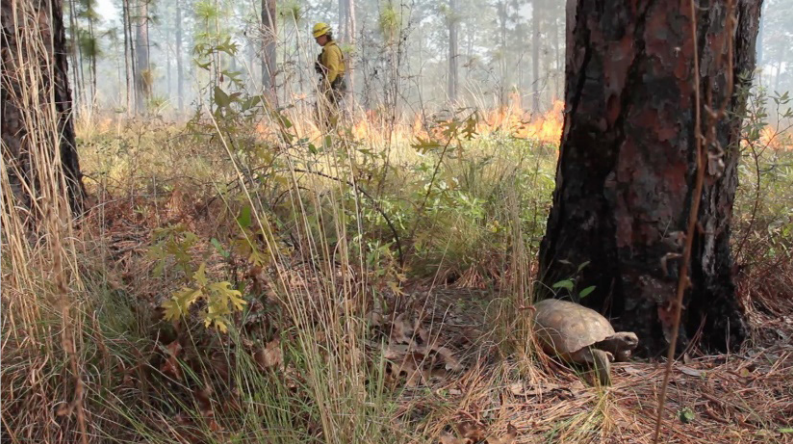
Figure 5. Prescribed burning improves habitat for many game and nongame species in Georgia, especially this keystone species, the gopher tortoise. Photo by Abel Klainbaum.
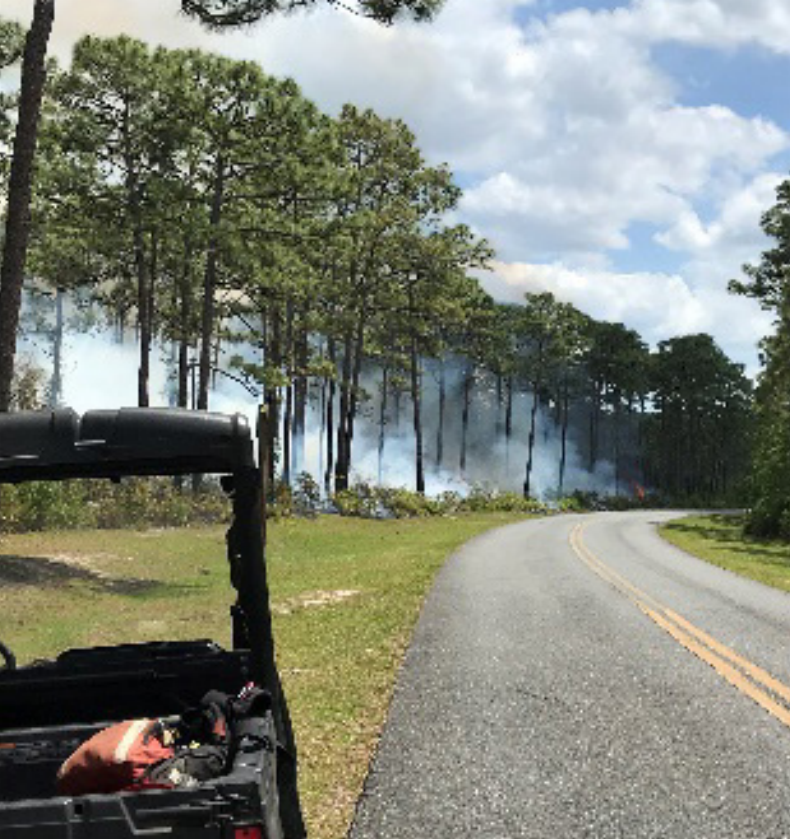
Figure 6. Prescribed fires allow burners to choose conditions that direct smoke away from roadways. Photo by Shan Cammack.
What about the Smoke?
Prescribed fires are carefully planned and conducted to reduce smoke impacts. Smoke is generally more abundant and more difficult to control during a wildfire.
Prescribed fire allows practitioners to manage smoke in a way that is impossible during a wildfire. Because prescribed fires are carried out with a prescription (a pre-planned set of weather and fuel conditions), a specific set of weather conditions can be chosen for the day of the burn. Wind direction determines where smoke will go and atmospheric stability helps predict how well smoke will rise and clear the area. Fuel moisture determines how much fuel is available to burn. Weather conditions are chosen to minimize impacts on smoke sensitive areas, like busy roads, airports, hospitals, nursing homes, schools, and heavily populated areas. The smoke produced from a prescribed burn is typically far less than smoke from a wildfire. Following a prescription allows practitioners the opportunity to manage the smoke in a responsible way.
Where can I go if I have more Questions?
There are many agencies, organizations, and websites available to help you learn more about prescribed fire. Goodfires.org has general information about prescribed fire in the Southern United States. If you are interested in conducting a prescribed fire on your property, you can contact the Georgia Forestry Commission. Learn more about the prescribed fire community from the Georgia Prescribed Fire Council. If you have specific questions about how an agency or organization that owns land near you conducts prescribed fire, it would be best to contact them directly.
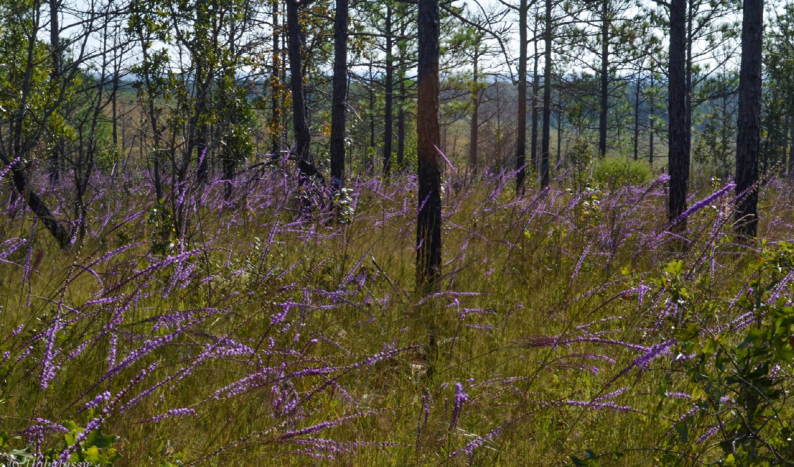
Figure 7. Across Georgia, many flowering native plants benefit from prescribed fire. Photo by Hal Massie.