
Climate change is increasing the odds of higher occurrence rates, intensity, and severity of wildland fires in drought-prone regions. High intensity wildfires not only denude the landscape and lower the resistance of soils to surface erosion, but they also change the physical properties of soils, alter the soil microbiome, and extend the recovery timescales relative to lower intensity fires. Rain-on-burn events can magnify multiple negative impacts, such as poor water quality and debris flows. Wildland management is at a critical juncture, requiring new knowledge and innovative tools to best support the mitigation and prevention of fire-induced hazards. The Fall 2021 Meeting of the Board of Earth Sciences and Resources discussed the emerging frontiers in research and the outlook for implementing science-based tools to support equitable federal, state, and community responses to fire-induced hazards.
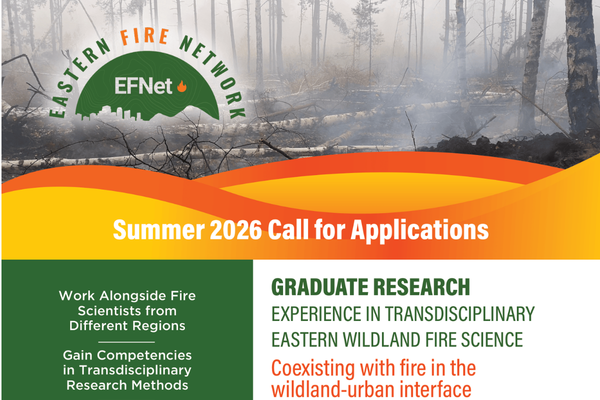
Call for Applications: EFNet Graduate Research Experience on WUI
Call for Applications: EFNet Graduate Research Experience on the WUI The Eastern Fire Network (EFNet) recently announced a call for applications for their summer ...
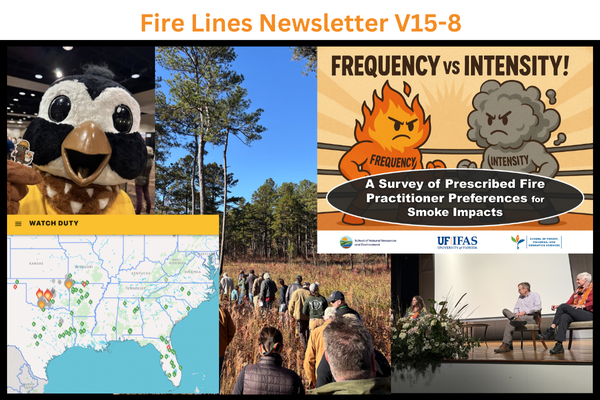
New Fire Lines Newsletter (vol. 15 is. 8)
New Fire Lines Newsletter: Volume 15, Issue 8 The latest issue (Volume 15, Issue 8) of the Southern Fire Exchange “Fire Lines” newsletter has ...
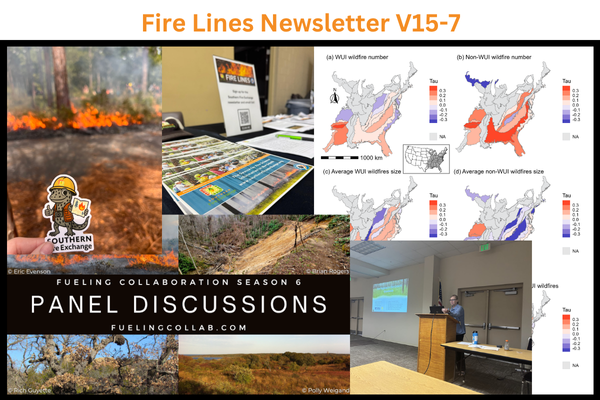
New Fire Lines Newsletter (vol. 15 is. 7)
New Fire Lines Newsletter: Volume 15, Issue 7 The latest issue (Volume 15, Issue 7) of the Southern Fire Exchange “Fire Lines” newsletter has ...