Fire News
New Fire Lines Newsletter (vol. 15 is. 1)
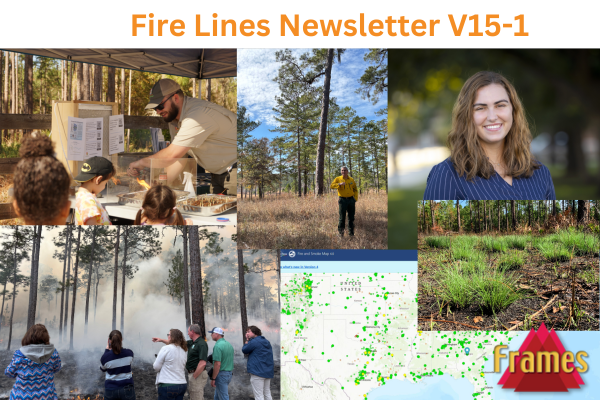
New Fire Lines Newsletter: Volume 15, Issue 1 The latest issue (Volume 15, Issue 1) of the Southern Fire Exchange “Fire Lines” newsletter is now available! This edition is packed
New Fire Lines Newsletter: Volume 15, Issue 1 The latest issue (Volume 15, Issue 1) of the Southern Fire Exchange “Fire Lines” newsletter is now available! This edition is packed

New Fire Ecology Podcast Featuring Dr. Raelene Crandall The Cultivating Curiosity Podcast hosted by the University of Florida IFAS spoke with Southern Fire Exchange principal investigator Dr. Raelene Crandall on
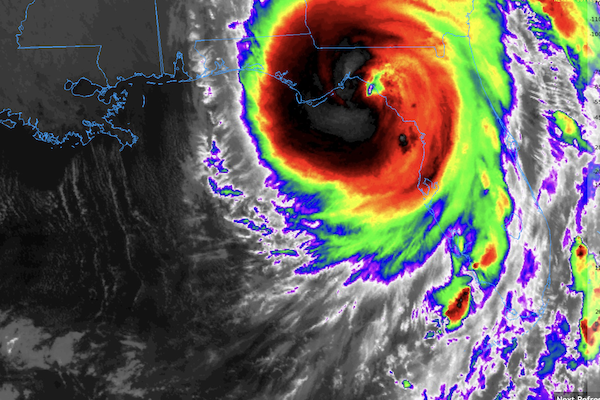
Understanding Hurricane Impacts Updated 5/12/25 This page will continue to be updated as new resources become available. × As communities and natural resource managers work to rebuild following Hurricane Helene,
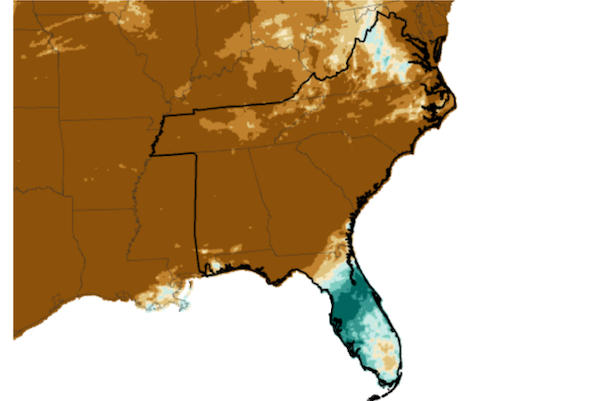
For many areas in the southeastern US, it is dry. Very dry. From where I sit here in Tallahassee, Florida, we had 0.22″ of recorded rain during the month of
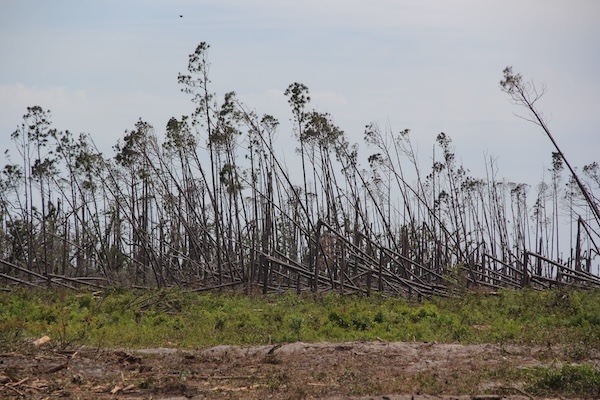
Damage to timber stands at Tyndall Air Force Base following Hurricane Michael. Photo: David Godwin, Southern Fire Exchange / University of Florida. The Southern Area Decision Support Group recently produced

The Predictive Services Program from the Southern Area Coordination Center recently released a Fall 2024 Fuels and Fire Behavior Advisory for portions of Alabama and Mississippi effective immediately. The advisory

The International Association of Wildland Fire and the Wildland Fire Leadership Council (WFLC) and its three regional strategy committees, invite you to register for the 7th Annual National Cohesive Wildland Fire Management Strategy
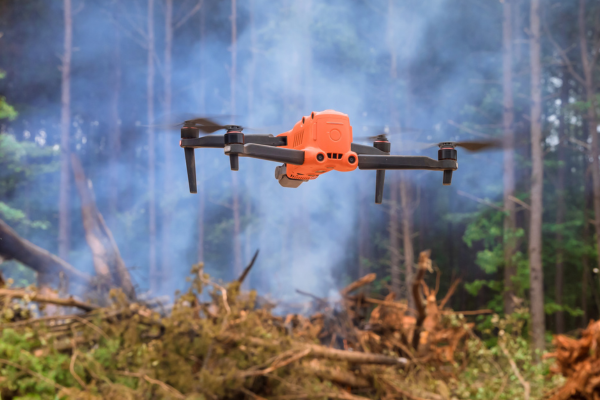
The Southern Fire Exchange has released a new summary on emerging wildland fire technologies (pdf) for 2024. This full color 3-page document provides an insightful overview of cutting-edge tools and
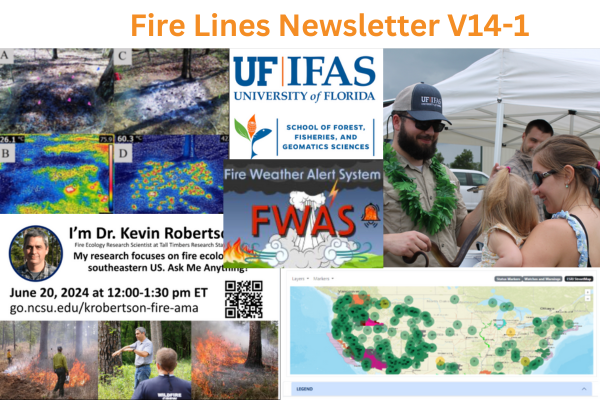
New Fire Lines Newsletter: Volume 14, Issue 1 The latest issue (Volume 14, Issue 1) of the Southern Fire Exchange “Fire Lines” newsletter is now available! This edition is packed
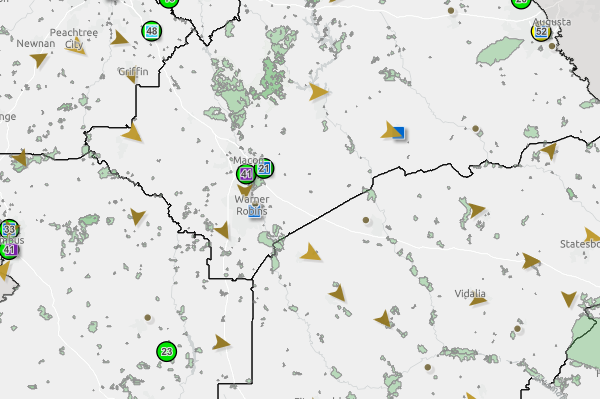
It is expected that changes to the National Ambient Air Quality Standards for PM2.5 will require state and federal agencies to assemble and submit Exceptional Events reports for certain prescribed